
Best Water Purifier Servicing in Bangladesh – Water Filter Service Ltd
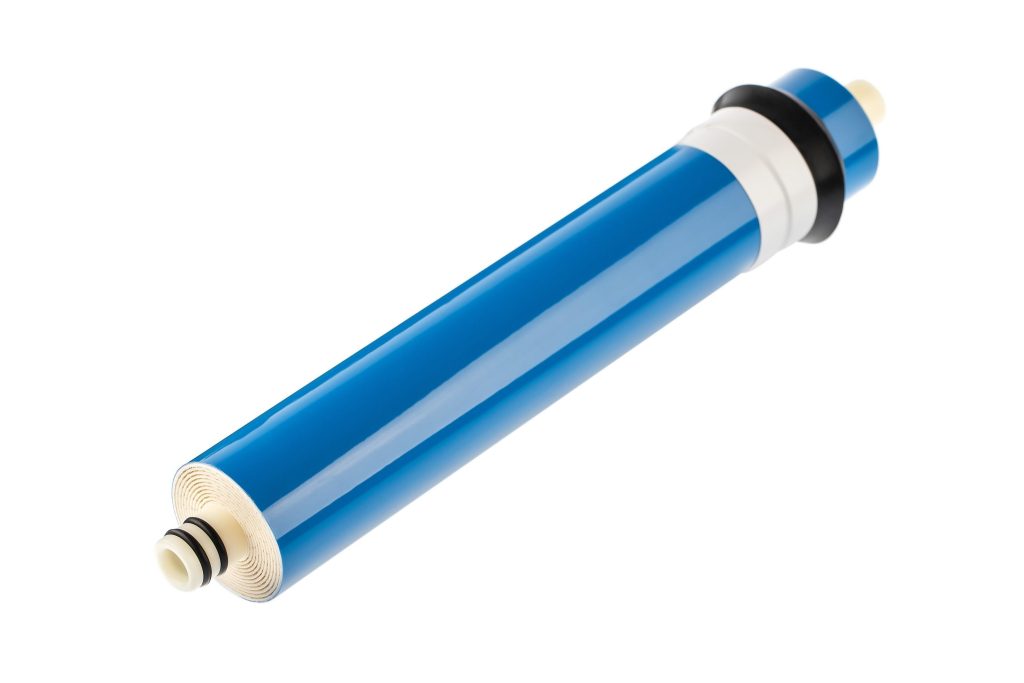
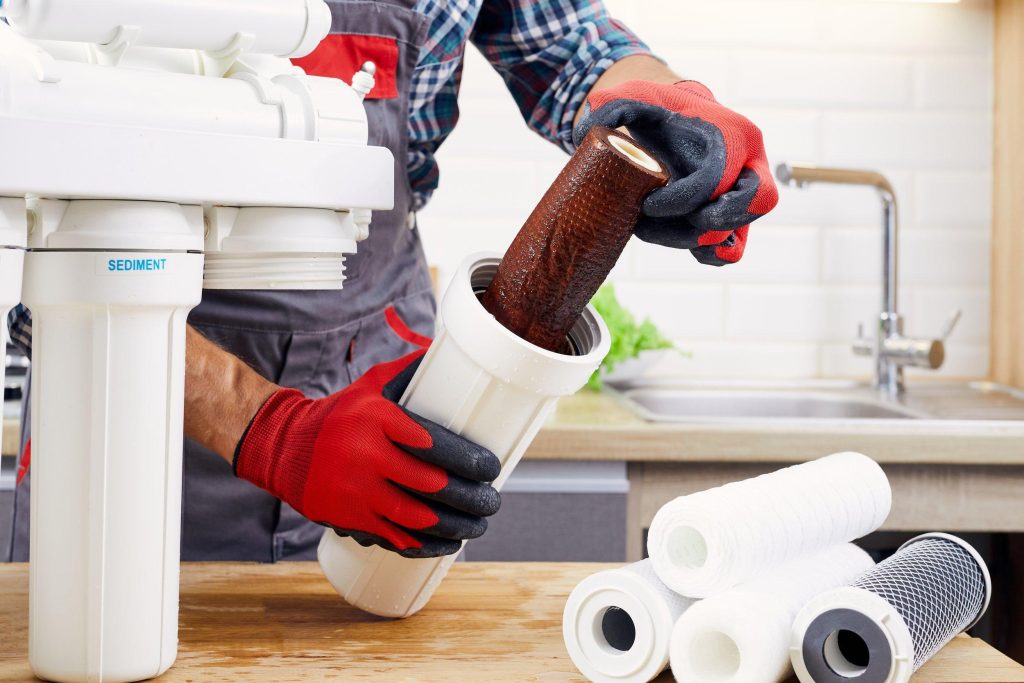
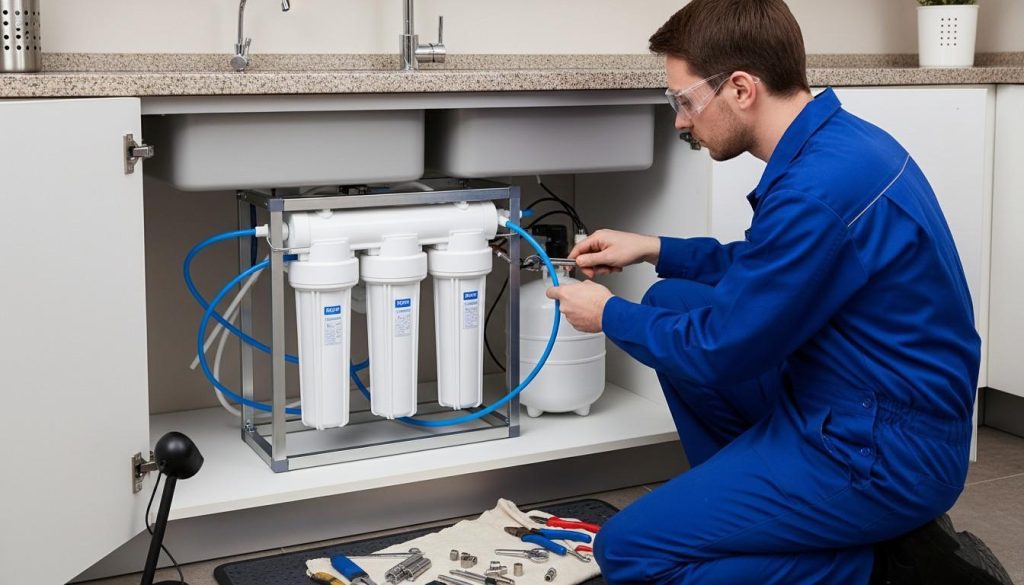
A Reverse Osmosis (RO) water purifier is one of the most popular water purification systems used in homes, offices, and commercial establishments. Its main component, the RO membrane, helps remove many dissolved substances, salts, and other contaminants from drinking water. However, like other filtration components, an RO membrane has a limited lifespan and requires regular inspection and maintenance.
If your water purifier is producing less water, the purified water TDS reading has increased, or you notice changes in water quality, your system may need professional inspection. These problems can sometimes indicate that RO Membrane Replacement is necessary.
In Bangladesh, water quality varies depending on the location, supply source, and building infrastructure. Sediment, iron, dissolved minerals, and other water quality issues can affect RO membrane performance.
In this guide, we will explain the most common signs of a damaged RO membrane, when to replace it, how to maintain it, and where to get professional RO water purifier servicing in Bangladesh.
An RO membrane is a specialized semipermeable membrane used in Reverse Osmosis water purification systems.
It allows water molecules to pass through while reducing many dissolved salts, minerals, and other contaminants.
During the reverse osmosis process:
Incoming water passes through pre-filtration stages.
The pre-filters remove sediment and reduce chlorine and other substances, depending on their design.
Water enters the RO membrane under pressure.
The membrane separates purified water from concentrated wastewater.
The treated water moves to the storage tank or next filtration stage.
The RO membrane plays a major role in the purification process. If it becomes clogged, damaged, or less effective, the overall performance of your water purifier may decrease.
Recognizing early warning signs can help prevent further problems with your water purification system.
Here are seven common indicators that your RO membrane may require inspection or replacement.
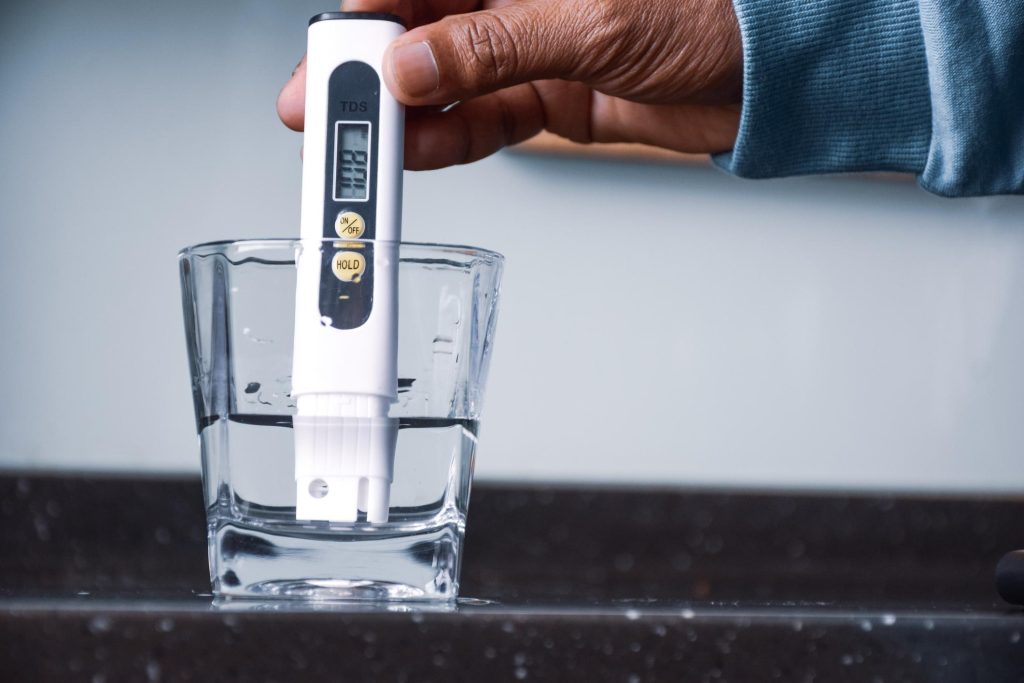
One of the most important indicators of RO membrane performance is the Total Dissolved Solids (TDS) level.
If the TDS reading of purified water increases unexpectedly, the membrane may not be reducing dissolved substances as effectively as before.
You can use a digital TDS meter to compare:
Incoming water TDS.
Purified water TDS.
Previous readings from your purifier.
For example, if your RO purifier previously produced water with a TDS reading of 40 ppm but now produces 150 ppm under similar operating conditions, the membrane or another part of the system may require inspection.
However, TDS readings alone cannot determine whether water is safe to drink. They do not detect every harmful chemical or microorganism.
Has your RO purifier started producing drinking water more slowly than usual?
Reduced water production may indicate membrane fouling, scaling, or other performance problems.
Common causes include:
Clogged pre-filters.
Low incoming water pressure.
A worn-out RO membrane.
Faulty booster pump.
Temperature changes.
Blocked flow restrictor.
Before replacing the RO membrane, a technician should check the pre-filters, inlet pressure, pump, and other system components.
If your purified water develops an unusual taste, the RO membrane or post-treatment components may need inspection.
A damaged or poorly performing membrane may allow more dissolved substances to pass into the treated water.
However, unpleasant taste can also result from an exhausted carbon filter, contaminated storage tank, or plumbing problems.
A complete water purifier inspection can help identify the actual cause.
RO membranes have a limited service life.
Many domestic RO membranes commonly last around 1–3 years, depending on:
Incoming water quality.
Daily water consumption.
Operating pressure.
Pre-filter maintenance.
Membrane quality.
Manufacturer specifications.
If your membrane has exceeded its recommended service life, arrange an inspection to determine whether replacement is necessary.
Do not rely only on age. A membrane may need replacement earlier under difficult operating conditions or remain functional longer when properly maintained.
If your RO system is no longer reducing dissolved substances as expected, the membrane may be fouled, scaled, or damaged.
A technician can evaluate membrane rejection performance by comparing feed-water and permeate-water TDS readings under suitable operating conditions.
If the membrane is no longer performing within the manufacturer’s specifications, replacement may be necessary.
RO water purifiers produce wastewater during the purification process.
If you notice a sudden change in the ratio of purified water to wastewater, it may indicate a system problem.
Possible causes include:
Membrane fouling.
Incorrect water pressure.
A faulty flow restrictor.
Automatic shut-off valve problems.
Damaged tubing or connections.
Not every change in wastewater production means the RO membrane is damaged. A complete system inspection is recommended.
If your RO water purifier repeatedly experiences low water production, unusual readings, or other filtration problems, the membrane and associated components may require professional inspection.
Frequent problems can indicate that the system needs maintenance rather than simply another filter replacement.
The lifespan of an RO membrane depends on the quality of incoming water, operating conditions, daily usage, and maintenance.
For many household RO water purifiers, a general lifespan of 1–3 years is commonly used as a maintenance guideline.
However, Bangladesh has different water conditions across residential and commercial areas.
For example:
Dhaka: Incoming water quality can vary according to the supply source, storage tank, and building plumbing.
Uttara and Mirpur: Sediment, iron, and other water quality issues may differ between buildings.
Gulshan and Banani: Household and commercial water purification requirements may vary according to water consumption.
Commercial Establishments: Higher water consumption may increase the maintenance requirements of purification systems.
The best way to determine membrane replacement timing is through regular inspection and appropriate water quality testing.
Several factors can reduce the performance and lifespan of an RO membrane.
Sediment and carbon pre-filters help protect the RO membrane.
If these filters become clogged or exhausted, the membrane may be exposed to substances that reduce its performance.
Sand, dirt, rust, and suspended particles can contribute to membrane fouling when the pre-filtration system is not working properly.
Water containing high levels of calcium and magnesium may contribute to scaling on the RO membrane.
Proper pretreatment may be necessary for water with high scaling potential.
RO systems are designed to operate within specified pressure ranges.
Incorrect pressure or unsuitable operating conditions can affect membrane performance and system components.
Failing to replace pre-filters on time can increase the risk of membrane fouling and damage.
Using incompatible or low-quality replacement filters may affect the performance and protection of the RO membrane.
Not every poorly performing RO membrane needs immediate replacement.
In some situations, membrane cleaning may help restore performance, depending on the membrane type and the nature of fouling.
| RO Membrane Cleaning | RO Membrane Replacement |
|---|---|
| May help with certain types of fouling | Required when the membrane is damaged or exhausted |
| Depends on membrane compatibility | Restores performance with a suitable new membrane |
| Requires an appropriate cleaning procedure | Requires correct installation and flushing |
| May not solve permanent damage | Suitable when cleaning cannot restore performance |
| Should follow manufacturer guidance | Should follow manufacturer specifications |
A qualified technician should inspect the membrane before deciding between cleaning and replacement.
The cost of RO membrane replacement in Bangladesh depends on several factors.
These include:
RO membrane brand.
Membrane capacity, such as 50 GPD, 75 GPD, or 100 GPD.
Membrane quality and specifications.
Water purifier brand and model.
Availability of compatible replacement parts.
Technician installation charges.
Additional servicing requirements.
A domestic RO membrane may have a different price from a commercial RO membrane.
For an accurate quotation, provide your purifier brand, model, membrane capacity, and current performance problems.
Always confirm whether the price includes the membrane, installation, flushing, and system performance testing.
Proper water filter maintenance can help protect your RO membrane and maintain system performance.
Follow these practical tips:
1. Replace Sediment Filters on Time
Sediment filters help prevent suspended particles from reaching the RO membrane.
2. Maintain Carbon Pre-Filters
Compatible carbon pre-filters help reduce chlorine and protect chlorine-sensitive RO membranes.
3. Check Water Pressure
Make sure your RO purifier operates within the pressure range recommended by its manufacturer.
4. Monitor Purified Water TDS
Record periodic TDS readings to identify unexpected changes in membrane performance.
5. Schedule Regular Servicing
Arrange professional inspections according to the manufacturer’s recommended maintenance schedule.
6. Use Compatible Replacement Filters
Choose suitable replacement filters that match your purifier’s specifications.
7. Avoid Unnecessary DIY Repairs
Membrane installation, system pressure adjustments, and internal repairs should be handled by a qualified technician when you lack the necessary experience.
Replacing an RO membrane requires more than simply removing the old component and installing a new one.
Incorrect installation can cause leakage, poor water production, and reduced purification performance.
Professional RO servicing may include:
Inspecting the existing RO membrane.
Checking incoming water pressure.
Testing feed-water and purified-water TDS.
Inspecting sediment and carbon pre-filters.
Checking the booster pump.
Replacing the membrane with a compatible component.
Flushing the system according to manufacturer instructions.
Checking water flow and leakage.
Testing system performance after replacement.
Professional servicing helps ensure that your water purifier operates according to its specifications.
Is your RO water purifier producing less water than before? Has the purified water TDS reading increased? Are you experiencing repeated filtration problems?
Water Filter Service BD provides water purifier servicing, RO membrane replacement, filter cartridge replacement, installation, and repair solutions for residential and commercial customers.
Our service solutions include:
RO Membrane Replacement.
RO Water Purifier Repair.
Sediment Filter Replacement.
Carbon Filter Replacement.
Water Filter Cartridge Replacement.
Water Purifier Maintenance.
Water Purifier Installation.
General Water Purification System Inspection.
If your RO membrane needs inspection or replacement, contact our team to discuss your water purifier model and servicing requirements.
Business Information:
Website: https://waterfilterservice.com.bd/
Phone: 01729669458
Location: East Shewrapara, Dhaka, Bangladesh.
Contact Water Filter Service BD to arrange professional RO water purifier servicing in Dhaka.
Common signs include increased purified-water TDS, reduced water production, changes in water quality, and poor purification performance. A professional inspection can confirm whether the membrane needs replacement.
Many domestic RO membranes last approximately 1–3 years. Actual lifespan depends on incoming water quality, operating pressure, maintenance, daily consumption, and manufacturer specifications.
The price depends on membrane capacity, brand, quality, purifier model, and technician charges. Contact a service provider for a quotation based on your system.
Some membranes can be cleaned using manufacturer-approved procedures when the problem is caused by removable fouling. However, damaged or exhausted membranes generally require replacement.
Not necessarily. A high purified-water TDS reading may indicate membrane problems, but other factors such as water pressure, system leakage, or valve problems can also affect performance. Proper testing is necessary.
Although some experienced users may replace a membrane themselves, professional installation is recommended to ensure correct compatibility, sealing, flushing, and system testing.
Replacing a worn-out or damaged membrane with a compatible replacement can restore the system’s intended dissolved-substance reduction performance, provided the rest of the purifier is functioning correctly.
You can contact Water Filter Service BD through https://waterfilterservice.com.bd/ or call 01729669458 to discuss RO membrane inspection and replacement services.
The RO membrane is one of the most important components of a reverse osmosis water purifier. Over time, scaling, fouling, poor maintenance, and normal wear can reduce its performance.
Recognizing warning signs such as increased TDS, slow water production, and changes in water quality can help you identify problems early.
However, these symptoms do not always mean that the membrane needs replacement. Proper inspection and testing are essential before making a decision.
For reliable RO Membrane Replacement and professional water purifier servicing in Dhaka, contact Water Filter Service BD. Regular maintenance and timely replacement can help keep your RO water purification system operating efficiently.
 Book your online Service!
On Time Work Completion
Professional Trusted & Reliable Technician
Always Low Prices
Easily Affordable
Free of hassle
Safety Guarantee
On-time service with genuine spare parts
Dedicated Support Team

Enjoy 10% off on all water filters and filtering accessories at Water Filter Services Ltd!
Upgrade your water filtration system with our latest range of high-quality filters and accessories, and enjoy the refreshing taste of clean, safe drinking water. This limited-time offer is valid for a short period only.
© Copyright 2023, Water Filter Service Ltd.
WhatsApp us


