
Best Water Purifier Servicing in Bangladesh – Water Filter Service Ltd
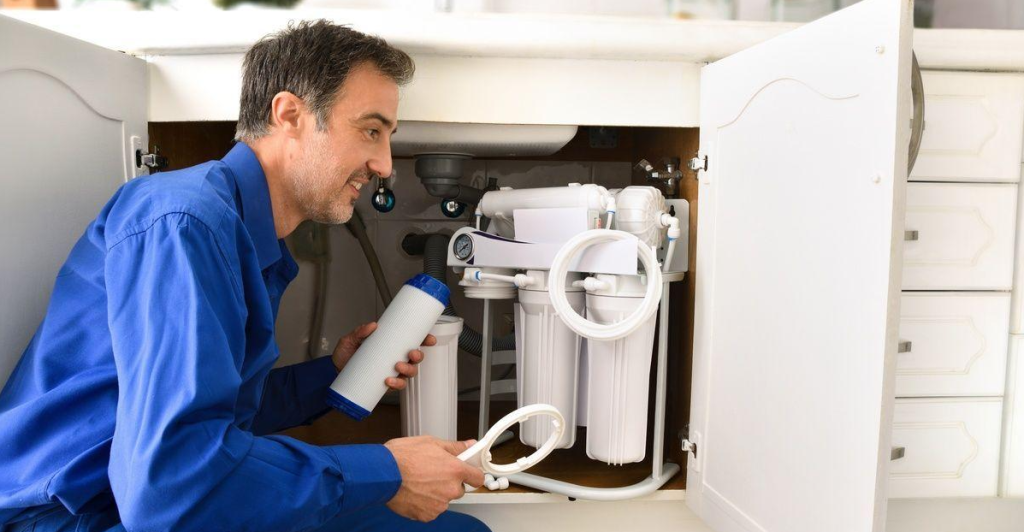
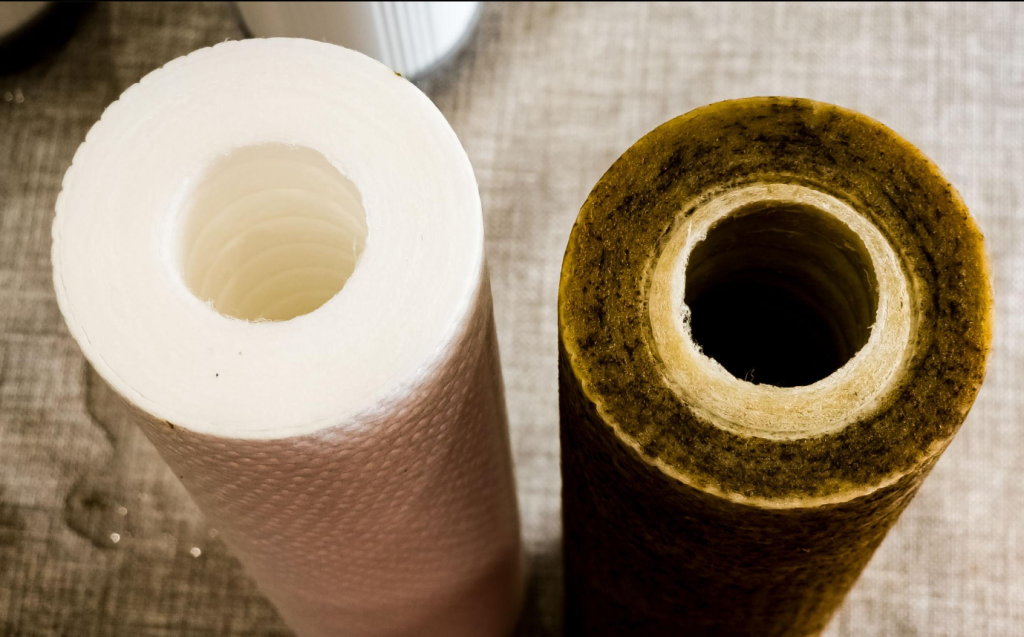
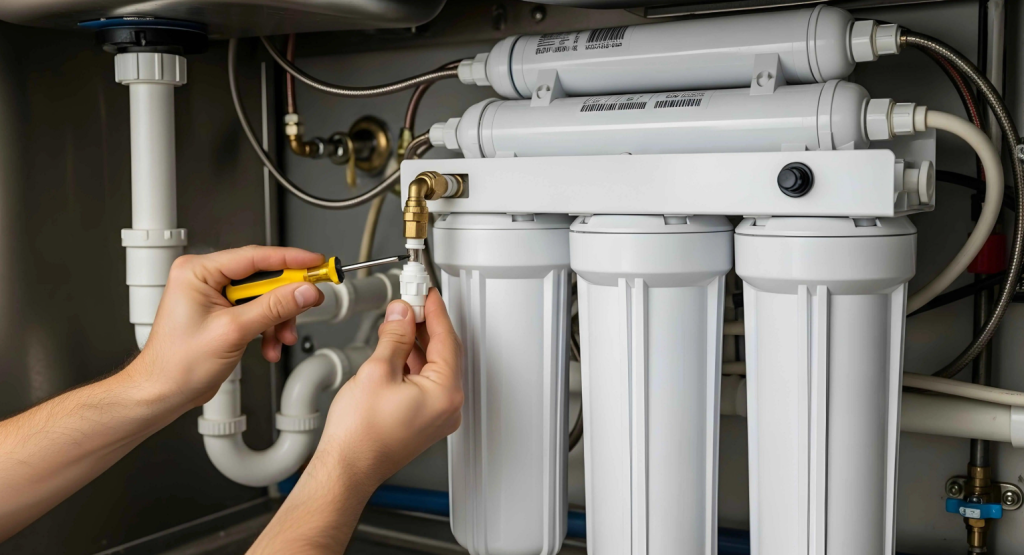
Clean and safe drinking water is essential for every household, office, and commercial establishment. A water purifier helps remove unwanted contaminants and improve drinking water quality. However, like any other household appliance, water purifiers can develop problems over time due to regular use, poor maintenance, clogged filters, or damaged components.
If your water purifier is producing less water, leaking, making unusual noises, or changing the taste of drinking water, it may require professional Water Purifier Repair.
In Bangladesh, water quality can vary depending on the location, supply source, and building infrastructure. Sediment, iron, dissolved minerals, and other water quality issues may affect the performance of water purification systems.
Understanding common water purifier problems can help you identify early warning signs and take appropriate action before minor issues become expensive repairs.
In this guide, we will discuss the most common water purifier problems, their possible causes, practical troubleshooting tips, and when to contact a professional water purifier technician in Bangladesh.
A water purifier contains several components that work together to treat drinking water. These may include sediment filters, carbon filters, RO membranes, UV lamps, pumps, valves, pipes, and storage tanks.
Over time, these components can become clogged, worn out, or damaged.
Regular water purifier maintenance and timely repairs help:
Maintain the expected water purification performance.
Prevent unexpected water leakage.
Improve water flow.
Protect important filtration components.
Reduce the risk of equipment damage.
Extend the useful life of the purifier.
Identify potential problems before they become serious.
If your purifier is not working properly, arrange an inspection rather than ignoring the problem.
Here are ten common water purifier problems experienced by households and businesses.
Slow water production is one of the most common problems with domestic RO water purifiers.
If your purifier takes much longer than usual to fill its storage tank, there may be an issue with the filtration system.
Possible Causes:
Clogged sediment filter.
Exhausted carbon filter.
Fouled RO membrane.
Low incoming water pressure.
Faulty booster pump.
Blocked tubing or flow restrictor.
How to Fix It:
Check whether the incoming water supply is sufficient.
Inspect the sediment and carbon filters.
Check the RO membrane’s performance.
Examine the booster pump and associated connections.
Replace clogged or exhausted filters when necessary.
If the problem continues after basic checks, contact a professional technician for RO water purifier repair.
If your purifier suddenly stops producing drinking water, several components may be responsible.
Possible Causes:
Water supply interruption.
Closed inlet valve.
Power supply failure.
Faulty booster pump.
Damaged automatic shut-off valve.
Blocked filter cartridges.
Internal electrical problems.
How to Fix It:
Check whether the main water supply is available.
Ensure the inlet valve is open.
Check the electrical connection if your purifier requires power.
Inspect visible pipes for kinks or blockages.
Arrange professional inspection if the purifier still does not operate.
Do not open electrical components or attempt internal repairs without proper technical knowledge.
Water leakage can damage kitchen cabinets, floors, walls, and other household equipment.
It should be addressed as soon as possible.
Possible Causes:
Loose pipe connections.
Damaged O-rings.
Cracked filter housings.
Improperly installed cartridges.
Damaged storage tank.
Faulty valves or connectors.
How to Fix It:
Turn off the purifier’s water supply.
Disconnect electrical power if water is near electrical components and it is safe to do so.
Identify the visible source of leakage.
Avoid operating the purifier until the problem is resolved.
Contact a qualified technician to repair or replace damaged components.
Professional water purifier repair can help prevent further water damage.
If purified water develops an unpleasant taste or odor, the filtration system may require inspection.
Possible Causes:
Exhausted carbon filter.
Contaminated storage tank.
Dirty internal tubing.
Poor-quality replacement cartridges.
Changes in incoming water quality.
Problems with the purification process.
How to Fix It:
Check the carbon filter replacement schedule.
Inspect the storage tank.
Check whether the filters are compatible with your purifier.
Arrange appropriate water quality testing.
Replace exhausted filters and sanitize the system according to manufacturer instructions.
If the water has an unusual taste or smell, avoid drinking it until the cause has been investigated.
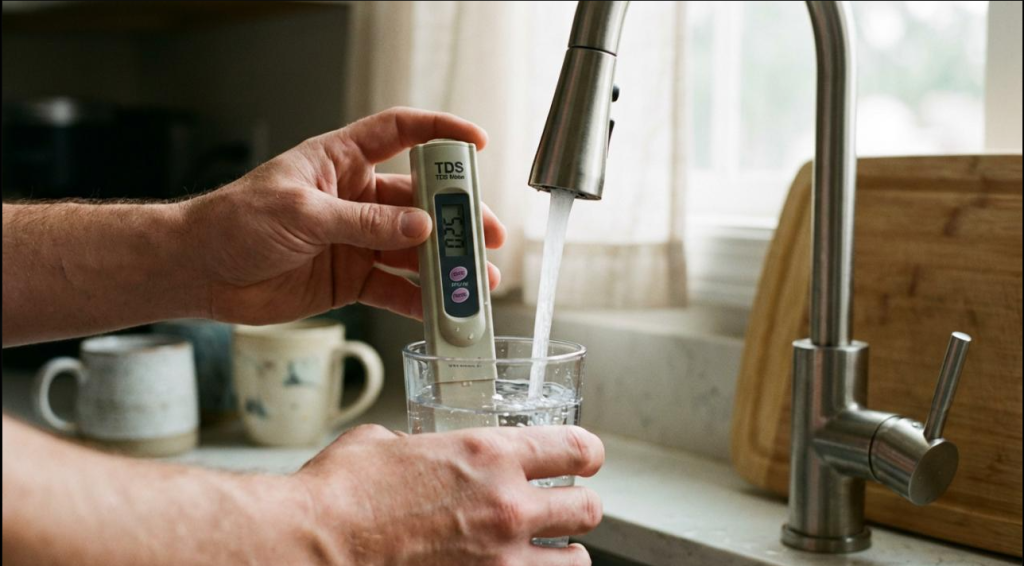
TDS stands for Total Dissolved Solids. It indicates the concentration of dissolved substances in water.
If your RO purifier produces water with a higher TDS reading than before, its purification performance may have changed.
Possible Causes:
Worn-out RO membrane.
Membrane scaling or fouling.
Damaged membrane seals.
Incorrect operating pressure.
Faulty valves.
Changes in incoming water quality.
How to Fix It:
Measure the incoming water TDS.
Measure the purified water TDS using a suitable meter.
Compare the readings with previous measurements.
Ask a technician to inspect the RO membrane and system components.
Replace the membrane if testing confirms that it no longer performs within specifications.
Remember that TDS alone cannot confirm whether drinking water is safe. It does not identify every harmful chemical or microorganism.
Some water purifiers produce normal operating sounds, especially when their pumps are running. However, sudden or unusually loud noises may indicate a problem.
Possible Causes:
Air trapped in the system.
Loose internal components.
Faulty booster pump.
Low incoming water pressure.
Vibration from improperly secured pipes.
Pump or valve malfunction.
How to Fix It:
Check whether the purifier is properly installed.
Inspect visible pipes and external connections.
Make sure the unit is placed securely.
Check the incoming water supply.
Contact a technician if the unusual noise continues.
Do not attempt to repair electrical or pump components without proper training.
RO purifiers normally discharge wastewater during the purification process.
However, continuous drainage after the storage tank is full may indicate a malfunction.
Possible Causes:
Faulty automatic shut-off valve.
Damaged check valve.
Incorrect water pressure.
Faulty float valve.
Flow restrictor problems.
Storage tank pressure issues.
How to Fix It:
Check whether the storage tank is filling normally.
Inspect visible connections for leaks.
Check the automatic shut-off system.
Arrange professional inspection of the valves and pressure components.
Continuous drainage can waste water and increase operating costs, so it should not be ignored.
The booster pump helps maintain the pressure required for certain RO purification systems.
If the pump stops working, water production may decrease or stop completely.
Possible Causes:
Electrical connection problems.
Faulty pump motor.
Damaged power adapter.
Low water supply.
Pressure switch malfunction.
Pump overheating.
How to Fix It:
Check the power supply if it is safe to do so.
Confirm that the water inlet is open.
Inspect visible external connections.
Avoid running a pump that appears to be overheating.
Contact an experienced technician for pump inspection or replacement.
If your RO purifier produces very little stored water, the storage tank or filtration system may have a problem.
Possible Causes:
Low water pressure.
Clogged pre-filters.
Fouled RO membrane.
Faulty automatic shut-off valve.
Damaged tank bladder.
Incorrect tank air pressure.
How to Fix It:
Check the incoming water supply.
Inspect the filter cartridges.
Check the RO membrane performance.
Ask a technician to inspect the storage tank and pressure settings.
Replace damaged components when necessary.
Sometimes a purifier develops problems immediately after cartridge replacement.
This may happen because of incorrect installation or incompatible replacement components.
Possible Causes:
Incorrect cartridge size.
Loose connections.
Incorrect filter sequence.
Damaged O-rings.
Improper installation.
Air trapped inside the system.
How to Fix It:
Turn off the water supply.
Check the cartridge model and compatibility.
Inspect visible connections.
Follow the manufacturer’s flushing procedure.
Ask a technician to reinstall the filters if the problem continues.
| Problem | Possible Cause | Recommended Action |
|---|---|---|
| Slow water flow | Clogged filters | Inspect and replace filters |
| No water production | Supply or pump problem | Check supply and arrange inspection |
| Water leakage | Loose connections | Shut off supply and repair |
| Bad water taste | Exhausted carbon filter | Inspect and replace filter |
| High TDS reading | RO membrane problem | Test membrane performance |
| Unusual noise | Pump or pressure issue | Professional inspection |
| Continuous drainage | Faulty shut-off valve | Check valves and pressure |
| Pump not working | Electrical or motor issue | Technician inspection |
| Tank not filling | Pressure or membrane problem | Check the system |
| Problems after filter change | Incorrect installation | Recheck cartridge installation |
Preventive maintenance is one of the best ways to reduce unexpected repair costs.
Follow these practical tips to keep your water purifier working efficiently.
Different filter cartridges have different replacement schedules.
As a general guide:
Sediment filters: 3–6 months.
Carbon filters: 6–12 months.
RO membranes: 1–3 years.
Actual replacement timing depends on the manufacturer’s recommendations, water quality, and daily usage.
Arrange periodic inspection to identify clogged filters, damaged pipes, pressure problems, and other potential faults.
Clean and sanitize the storage tank according to manufacturer recommendations and appropriate hygiene procedures.
Check purified water quality using appropriate testing methods. TDS measurements can help monitor RO performance, but additional testing may be necessary to evaluate microbiological and chemical safety.
Always choose replacement cartridges and membranes that match your purifier’s specifications.
Inspect visible pipes, connectors, and filter housings regularly.
Professional servicing is recommended for membrane replacement, pump repair, electrical faults, and complicated filtration problems.
Some minor issues can be identified through basic troubleshooting. However, complicated problems require professional attention.
Contact a qualified technician if:
Your purifier is not producing water.
Water leakage continues.
The RO membrane requires inspection.
The booster pump is not working.
The purified water has an unusual smell or taste.
TDS readings have changed significantly.
The purifier repeatedly stops working.
Electrical components show signs of damage.
Professional diagnosis can help identify the actual cause and prevent unnecessary replacement of expensive components.
The cost of water purifier repair in Bangladesh depends on the type of purifier, the nature of the problem, and the replacement parts required.
Some common factors affecting repair costs include:
Water purifier brand and model.
Type of filtration technology.
Filter cartridge replacement.
RO membrane replacement.
Booster pump repair or replacement.
Valve and connector replacement.
Technician service charges.
Location and transportation costs.
A basic inspection or filter replacement generally involves different costs from a complete RO system repair.
Before booking a service, ask for an estimate that clearly explains inspection fees, replacement parts, installation charges, and any additional costs.
If your water purifier is not functioning properly, professional servicing can help restore its intended performance.
Water Filter Service BD provides water purification system repair, servicing, installation, and maintenance solutions for residential and commercial customers.
Our service solutions include:
RO Water Purifier Repair.
Water Filter Repair.
RO Membrane Replacement.
Water Filter Cartridge Replacement.
Booster Pump Inspection.
Water Leakage Repair.
Water Purifier Installation.
Water Purifier Maintenance.
General Water Purification System Inspection.
Whether you have an RO, UV, or UF water purifier, proper inspection and maintenance can help keep your system operating efficiently.
Experiencing water purifier problems at home or in your office?
Contact Water Filter Service BD to discuss your purifier model, repair requirements, and servicing options.
Business Information:
Website: https://waterfilterservice.com.bd/
Phone: 01729669458
Location: East Shewrapara, Dhaka, Bangladesh.
Get in touch with our team to arrange professional water purifier repair and maintenance assistance in Dhaka.
Common problems include slow water flow, water leakage, unusual taste or smell, high TDS readings, pump failure, continuous drainage, and clogged filters.
Possible causes include a closed inlet valve, water supply interruption, clogged filters, low pressure, pump failure, or a faulty automatic shut-off valve.
Many household RO water purifiers benefit from general inspection every 3–6 months. The exact schedule depends on the manufacturer’s recommendations, incoming water quality, and usage.
Leakage may be caused by loose connectors, damaged O-rings, cracked filter housings, faulty valves, or incorrect cartridge installation. Turn off the water supply and arrange an inspection.
A high purified-water TDS reading may indicate membrane fouling, damage, or another system problem. Check the feed-water reading and arrange a professional performance test.
You can perform simple external checks, such as checking the water supply and visible connections. However, electrical repairs, pump replacement, membrane servicing, and internal repairs should be handled by qualified technicians.
Repair costs depend on the purifier model, type of fault, replacement components, and technician charges. Contact a service provider for a quotation.
You can contact Water Filter Service BD through https://waterfilterservice.com.bd/ or call 01729669458 to discuss your water purifier repair requirements.
Water purifiers are important for providing treated drinking water at home, in offices, and in commercial establishments. However, problems such as slow water flow, leakage, unusual taste, high TDS readings, and pump failure can affect their performance.
Understanding these common problems helps you recognize warning signs and arrange repairs before the situation becomes more serious.
Regular maintenance, timely filter replacement, and professional inspection can help extend the useful life of your water purification system.
If you are experiencing water purifier problems, choose professional Water Purifier Repair and servicing assistance from Water Filter Service BD in Dhaka, Bangladesh.
 Book your online Service!
On Time Work Completion
Professional Trusted & Reliable Technician
Always Low Prices
Easily Affordable
Free of hassle
Safety Guarantee
On-time service with genuine spare parts
Dedicated Support Team

Enjoy 10% off on all water filters and filtering accessories at Water Filter Services Ltd!
Upgrade your water filtration system with our latest range of high-quality filters and accessories, and enjoy the refreshing taste of clean, safe drinking water. This limited-time offer is valid for a short period only.
© Copyright 2023, Water Filter Service Ltd.
WhatsApp us


